Building a studio, at least for me (and I’m sure most others studio owners), is a never-ending journey. Back in the early 90s when I started Profile Productions, digital wasn’t even a thing. I started with a Tascam PortaStudio 424 4-track recorder and a couple of other pieces of gear – basically a microphone, my guitar, my amp, a couple of signal processors and pedals, a synth, and a two track recorder (cassette deck) for my master mix-downs in addition to my Yamaha NS 10m‘s which I later traded for a pair of Tannoy PBM 6.5s. As my love for recording and music production evolved, so did my studio.
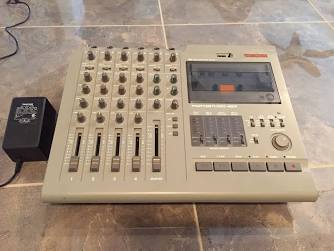
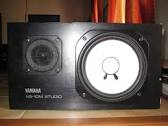
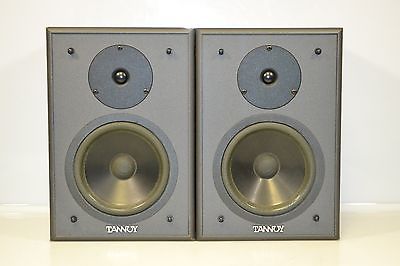
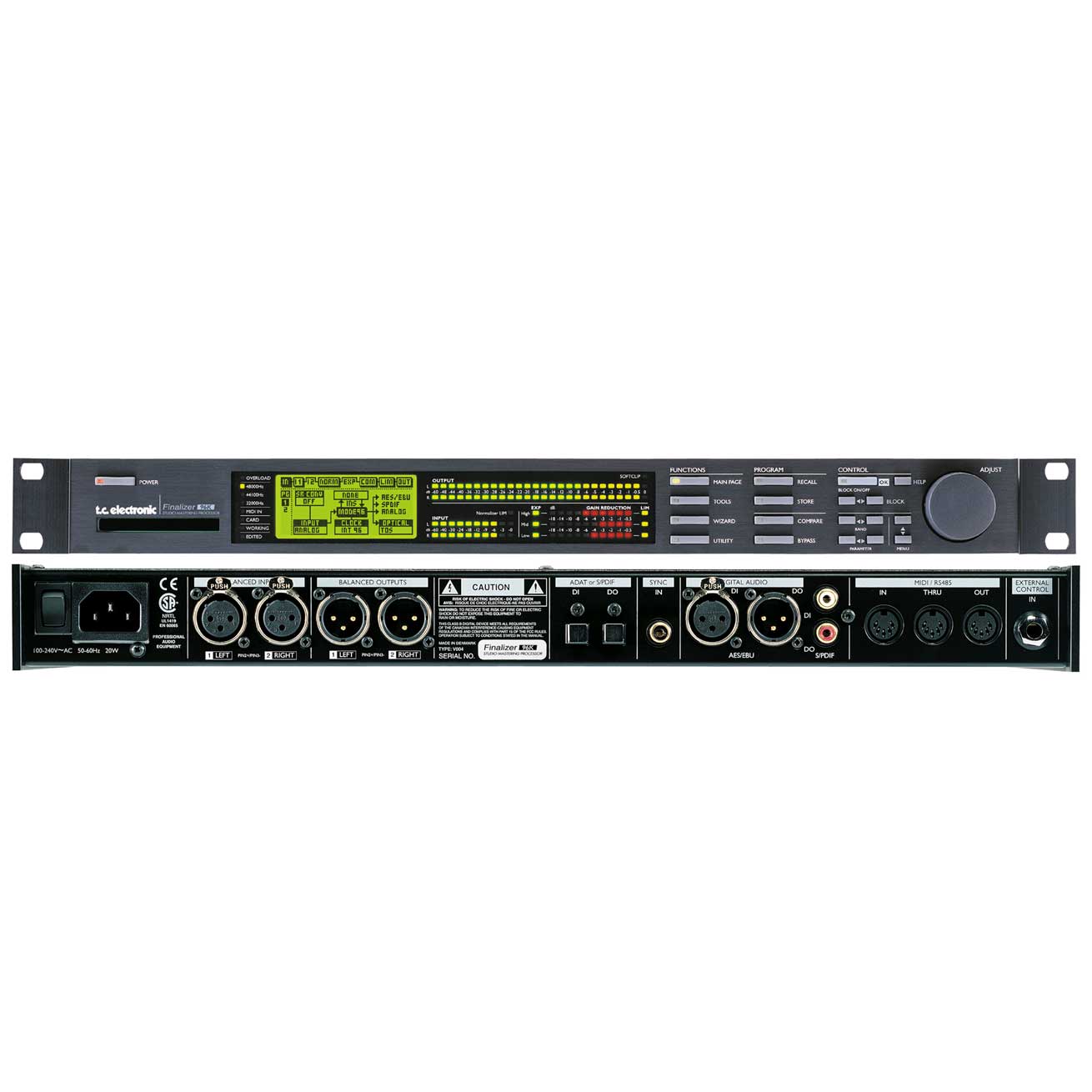
It went through many iterations, including a couple of analogue versions before I got a mid-size mixing desk (the Mackie 24*8) and an ADAT XT (which I still have). Along with that, I invested in some good microphones, more synth modules, and a Panasonic SV-32 DAT machine as well as several other pieces of higher end gear – most notably, the TC Electronic Finalizer to help in mastering my mixes. I also upgraded to the Mackie HR824 monitors – which is what I’m using now.
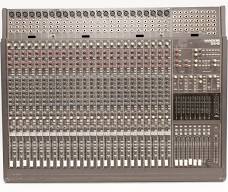
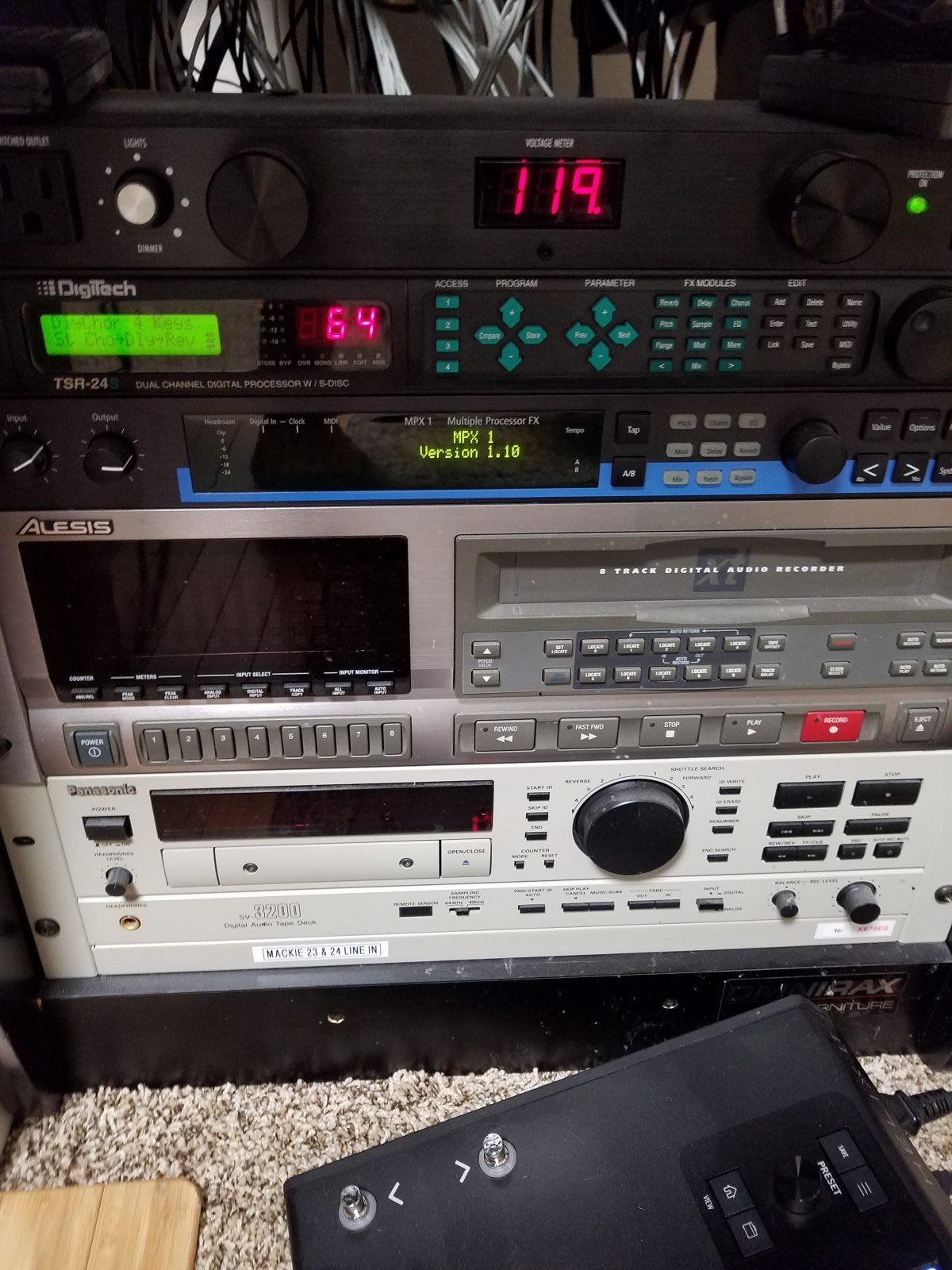
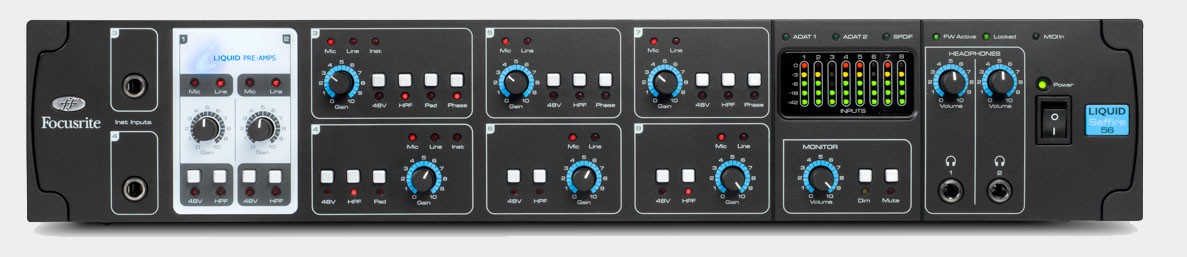
I stayed with this set-up for quite some time until I finally decided to enter the true digital age and switched to a DAW and an audio interface. My DAW of choice was Cubase and I upgraded many a time from my original version, which was nothing more than midi software for recording midi parts to go with the live guitar and vocal parts that I recorded on the ADAT XT. I still have Cubase 8.xx but in December of 2016 I decided to switch to PreSonus Studio One after hearing so many good things about it (it was developed by some of the top software engineers who developed Cubase). I also went through a number of audio interfaces including a MOTU 828, an M-Audio Profire 2626, and a Focusrite Saffire Liquid 56. Last year I upgraded to the Focusrite Clarett 8PreX after reading some great reviews and seeing a shoot-out on YouTube between it, the UA Apollo and the Apogee Ensemble – the other two interfaces I was considering. Part of the reason for the upgrade was for better A/D and D/A converters. The other big reason for the upgrade was to take advantage of Thunderbolt connectivity which necessitated an upgrade from my 9-year old MacPro to the new iMac.
This shoot-out was a big reason I decided to go with the Focusrite Clarett 8PreX:
While there are always new pieces of gear I want to get (Focal Trio 6 be), here are some pictures of my current studio so that you will know the great gear that I will be using to make your music sound awesome:
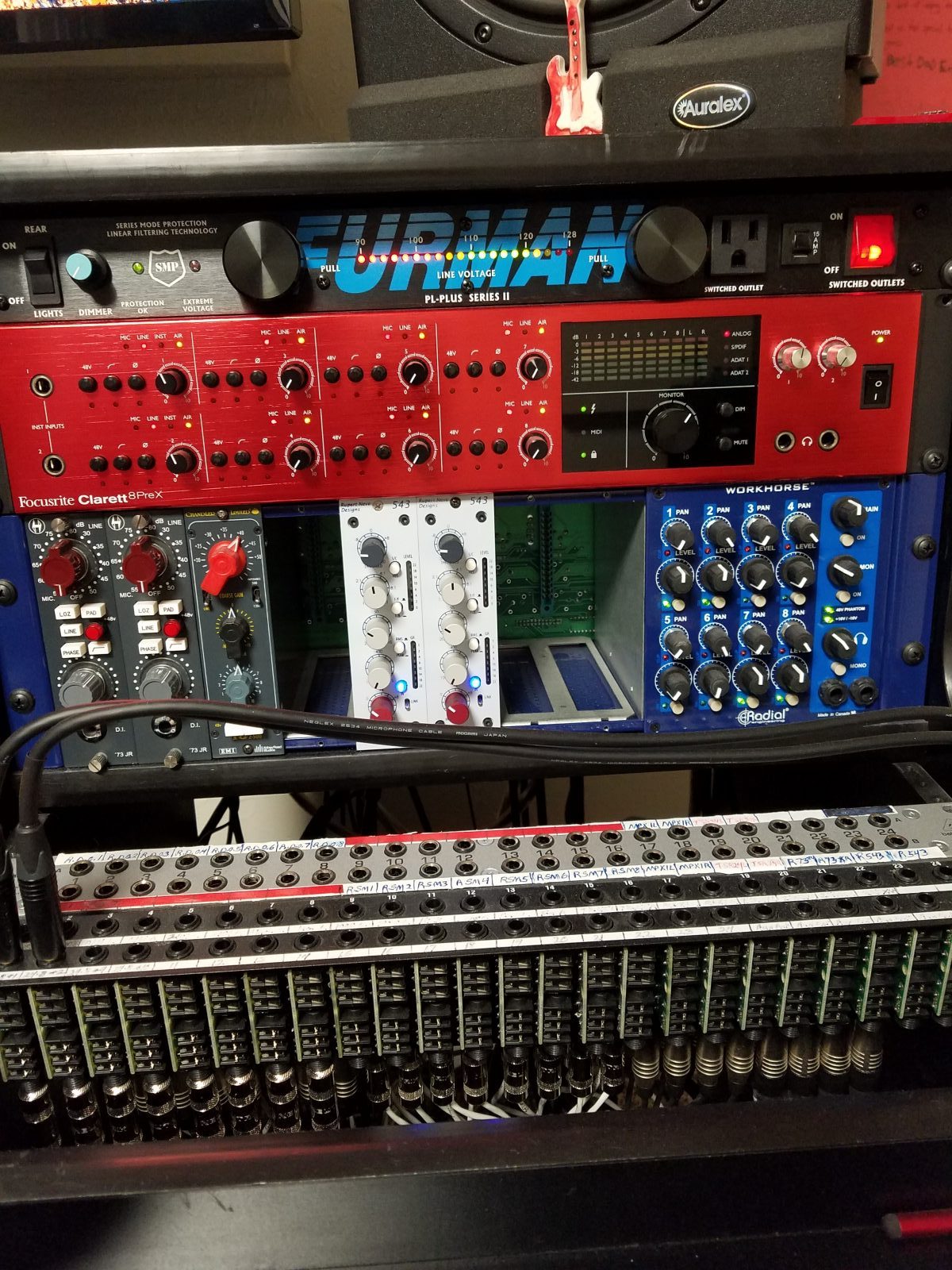
Furman Power Conditioner PL-Plus Series II | Focusrite Clarett8PreX Thunderbolt audio interface | Radial Workhorse 500 Series power supply with two Heritage Audio ’73 jrs. (Neve 1073 clones) mic pre-amps | Chandler Limited TG2 mic pre-amp – this is modeled after the EMI mic-pre in Abbey Road Studios | a pair of Rupert Neve Designs 543 compressor / limiters | two patch bays for signal routing.
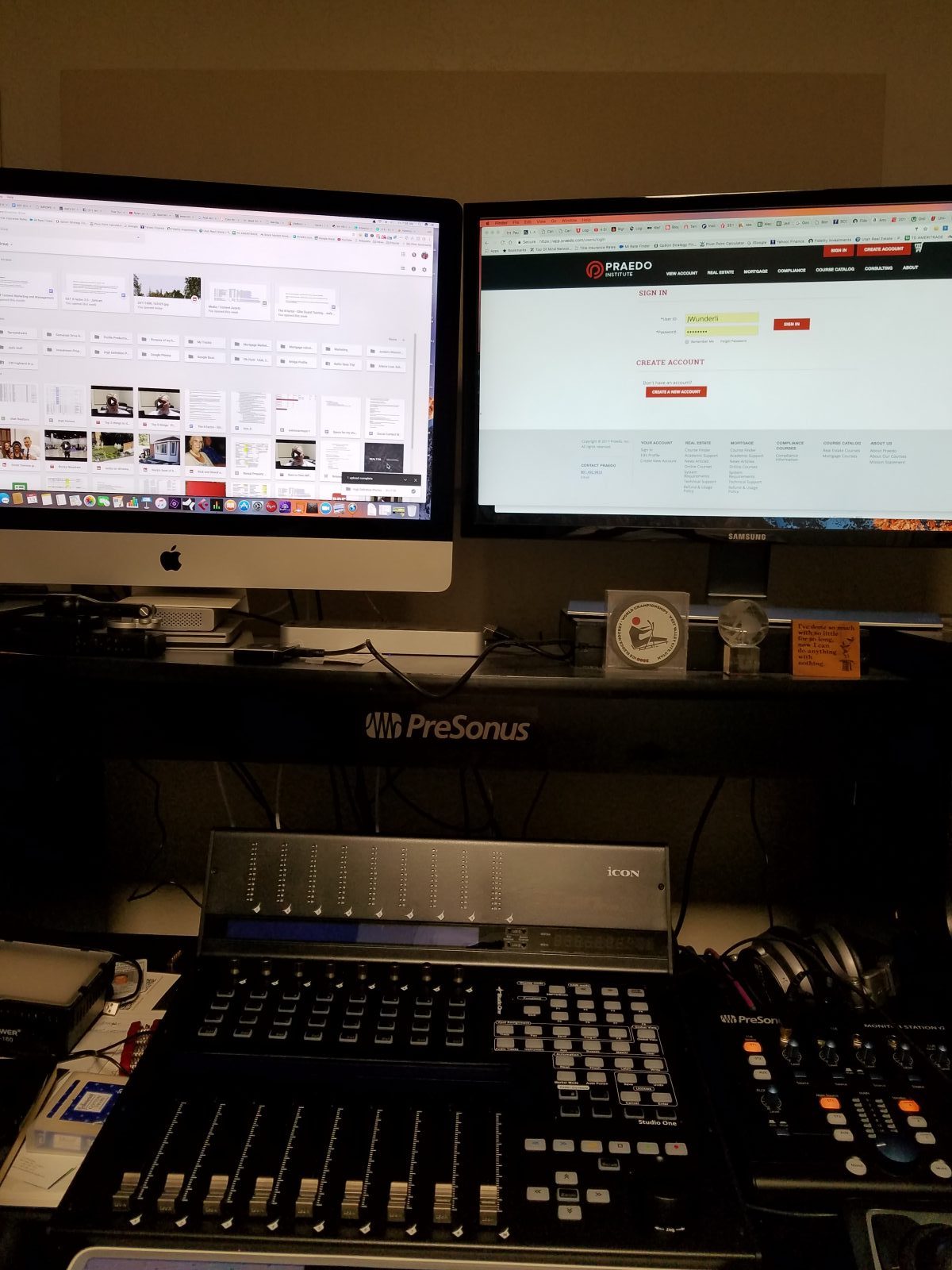
27″ late 2015 iMac with 4Ghz Intel Core i7 processor, 32 GB 1867 Mhz DDR3 ram, AMD Radeon R9 M390 2048 MB graphics card, and a 500 GB flash drive | not pictured are an external 500 GB flash drive and a 2 TB HDD connected via USB3 | Samsung 28.5″ 4K monitor | iCON QConProX – controller for mixing and editing in the DAW.
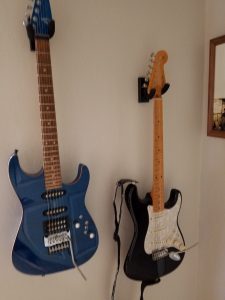
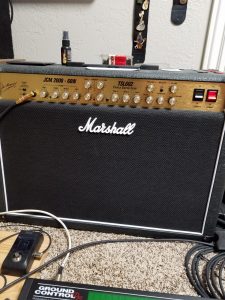
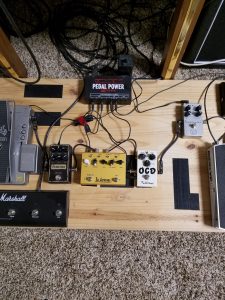
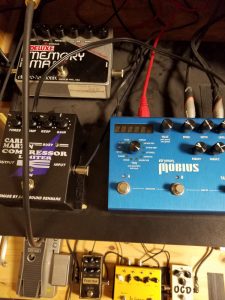
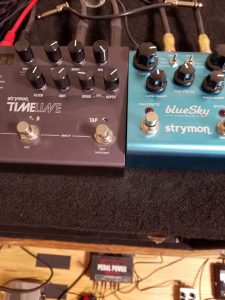
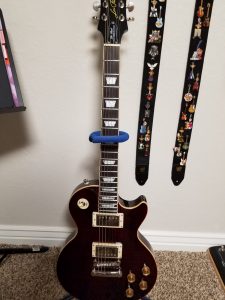
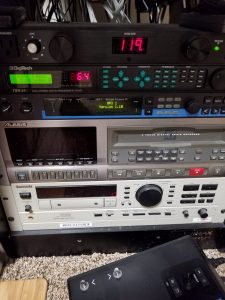
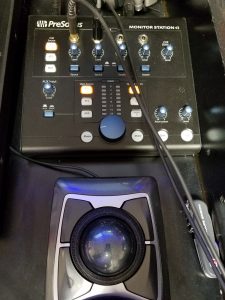
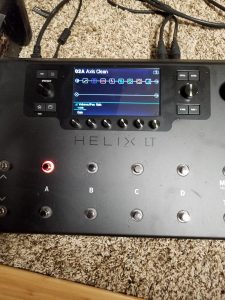
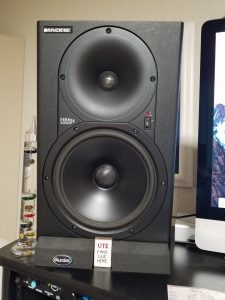
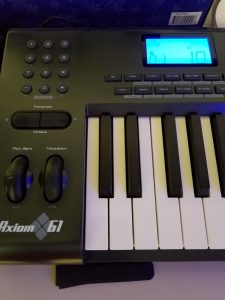
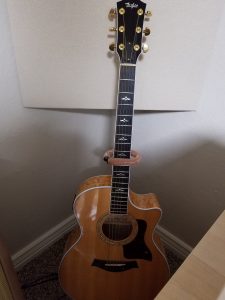
In addition to what you see in the pictures, I also have several microphones: AKG C-414 B-ULS, Audio Technica 4050, 2 Shure Beta 58s, 3 Shure SM-57s, and an Audio Technica 4031 small diaphragm condenser microphone. Furthermore, I have a vast collection of plug-ins from a variety of brands with the bulk being Waves plug-ins. Drums, base, and synth / orchestral sounds are handled mostly by software programs with EZ Drummer and Addictive Drums taking care of the drum production while Native Instruments and other related software provides the tools needed for bass sounds and any horns, synths, strings, woodwinds and others sounds that may be needed.
The studio is always evolving and I have plans for some new gear that will provide more flavors and flexibility in the future. For now, it’s a great set up that provides professional level recording and production for all styles of music.